


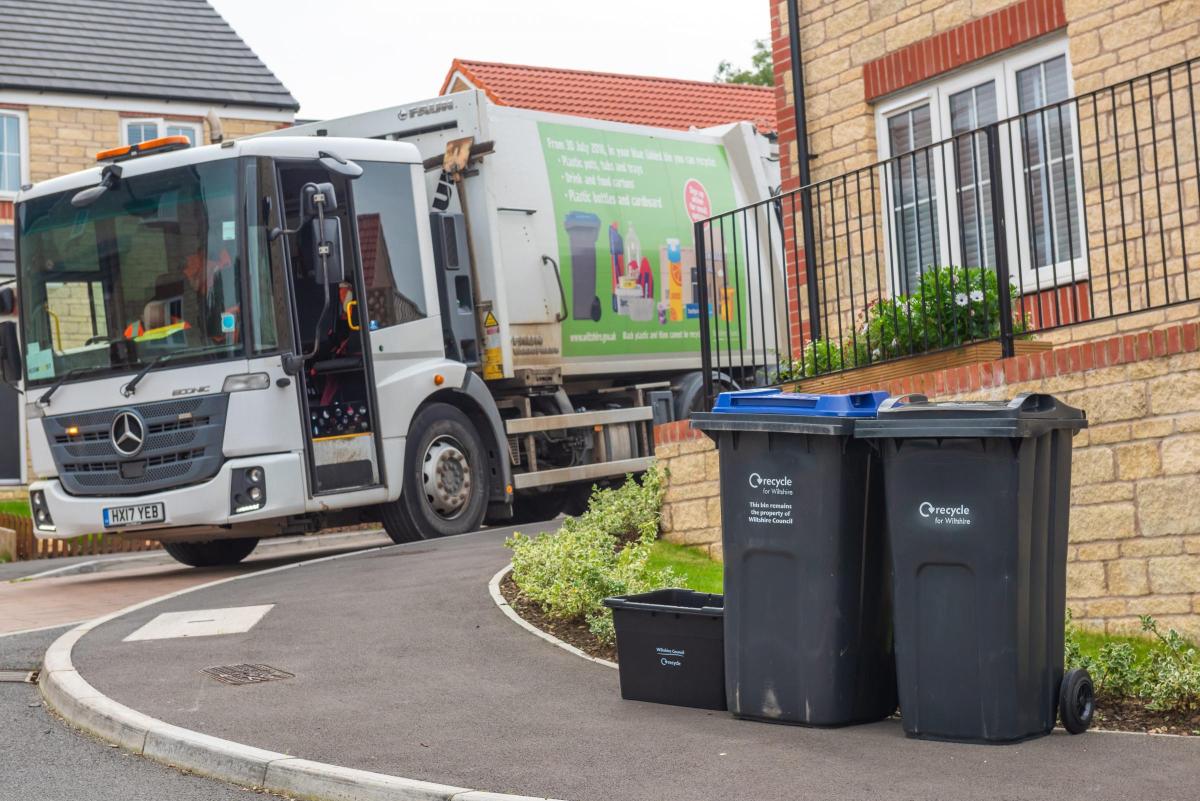

Public consultation on the proposed three-weekly bin collection in Wiltshire has opened.
Wiltshire Council is consulting residents on a range of waste issues - from bin collections to the use of recycling centres.
It says the results of the survey will help it design waste collection services in the future.
Major changes are coming in 2027, as the council is forced by law to collect food waste and soft plastics.
Data shows that around 35 per cent of material currently placed in household waste bins could be recycled, and that food waste and plastic bags and wrapping make up over 45 per cent of residual waste.
Read more
Hundreds expected at historic town’s annual duck race
Nursery could open on ‘dilapidated and overgrown’ farm site
Wiltshire town named as one of the most underrated
Update on delays to building thousands of homes on edge of town
Introducing separate collections for these materials will significantly reduce the amount of rubbish left in general waste bins.
The survey also asks residents about their use of Household Recycling Centres, including how often they visit, what they recycle there, and their views on a phased introduction of a booking system, which the council says would reduce queues, emissions and waiting times.
The Liberal Democrat administration said it inherited relatively low recycling rates when it took power last summer. It has ambitions to be one of the best councils for recycling in the country.
Paul Sample, Wiltshire Council's cabinet member for environment, climate and waste, said: “We are aiming to increase recycling rates in Wiltshire from 40 per cent to well over 60 per cent.
"We know that changes to waste and recycling services will raise concerns. This survey is an important opportunity for residents to tell us what works for them, what doesn’t, and what support they will need.
"Their feedback will help us shape communications and improve our service delivery.”
In October, the council trialled separate recycling bins for paper and card, but a roll-out was abandoned following public opposition.
The trial of 571 consenting households in an area of Chippenham found that just over half of the waste in people's residual waste bin - the black/grey rubbish bin - was made up of putrescibles; that is, material likely to rot.
To the surprise of many councillors, around 10 per cent of the average rubbish bin consisted of paper and card, while 3.5 per cent was glass - both widely collected by English councils since the introduction of the Household Waste Recycling Act 2003.
The survey, which runs until Friday, April 17, can be found at https://www.wiltshire.gov.uk/futurewaste


Share